Cricket, a sport celebrated for its intricate strategies and captivating gameplay, hinges not only on batting and bowling prowess but also on the often-underestimated art of fielding. Fielding positions in cricket are much more than just places where players stand; they are dynamic elements of a captain’s tactical plan, influencing the flow of runs, applying pressure on batsmen, and creating opportunities for wickets. To truly appreciate and understand this fascinating aspect of the game, it’s essential to explore the various fielding positions, their strategic significance, and how they evolve across different formats of cricket.
Table of Contents
Understanding the Basics
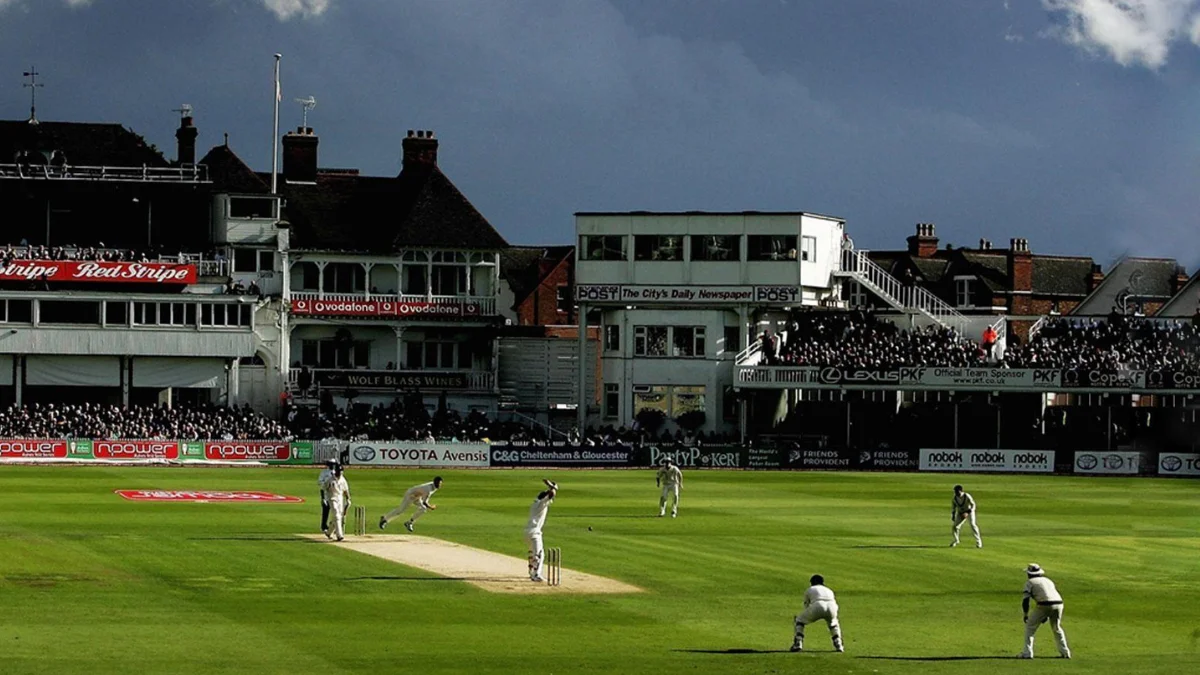
A cricket field, with its oval shape and varying dimensions, provides a unique canvas for tactical positioning. At any given time, ten fielders, excluding the bowler and wicket-keeper, occupy specific positions on the field, strategically placed by the captain to counter the strengths of the batsmen and exploit their weaknesses. Cricket Rules and Regulations dictate the placement of fielders, ensuring fair play and preventing overly defensive tactics, especially in limited-overs formats.
The 30-Yard Circle: A Key Boundary
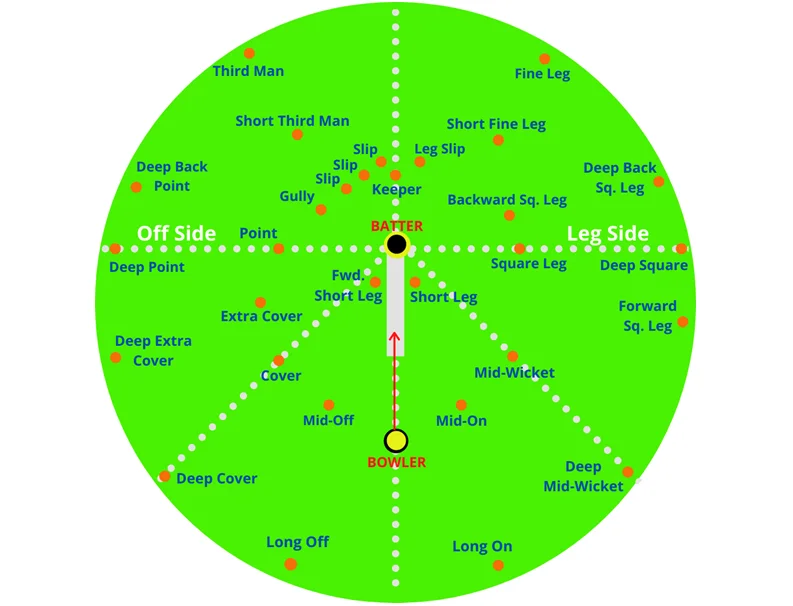
A prominent feature of the cricket field is the 30-yard circle, a circle measured from the center of the pitch. This boundary plays a crucial role in different Cricket Formats, particularly in limited-overs cricket where fielding restrictions apply during certain phases of the game, such as the powerplay overs.
Offside and Leg Side: Dividing the Field
The cricket field is broadly divided into two halves: the offside and the leg side, determined by the batsman’s stance. For a right-handed batsman, the offside is to his right and the leg side to his left. These divisions are key to Understanding Cricket Terminology related to fielding positions.
Key Fielding Positions
While there are numerous fielding positions, some are more frequently used than others due to their strategic importance.
Wicket-Keeper: The Sentinel Behind the Stumps
The wicket-keeper, positioned directly behind the batsman’s wicket, plays a crucial role. He is responsible for catching any deliveries that pass the batsman and hit the wickets, as well as for stumping the batsman if he steps out of his crease while the ball is in play. His position requires lightning-fast reflexes, excellent glove work, and an understanding of the bowler’s deliveries.
Slips: The Catching Specialists
Behind the wicket-keeper, usually on the offside, stand the slip fielders. Their primary role is to catch edges off the bat, particularly when facing fast bowlers. The number of slips employed depends on the match situation and the captain’s tactics. A strong slip cordon can be a nightmare for batsmen, creating constant pressure and the threat of dismissal.
Gully: The Close-in Defender
Positioned between the slips and point, the gully fielder acts as a close-in defender on the offside. His role is to catch balls that fly off the edge of the bat at a wider angle than those caught by the slips. This position demands agility, quick reflexes, and bravery as the ball often travels at high speeds.
Mid-On and Mid-Off: Guarding the Straight Hits
Mid-on and mid-off are positions placed in front of the batsman, on either side of the pitch, usually within the 30-yard circle. These fielders aim to stop straight drives and shots hit back down the ground. Their positioning often changes based on the batsman’s strengths and weaknesses, the type of bowling, and the match situation.
Long-On and Long-Off: Patrolling the Boundary
Long-on and long-off are positioned near the boundary, directly behind mid-on and mid-off, respectively. These fielders are crucial in preventing boundaries and stopping powerful shots hit over the infield. They need strong throwing arms to return the ball quickly and prevent batsmen from taking easy runs.

Third Man and Fine Leg: Covering the Rear
Third man is positioned behind the batsman on the offside, near the boundary, while fine leg is positioned similarly on the leg side. These positions cover the areas behind the wicket-keeper and slips. They are particularly important when facing bowlers who can swing or spin the ball, as the ball may deviate significantly after passing the batsman.
Point: Intercepting the Cut Shots
Point is positioned on the offside, roughly square of the wicket. This fielder’s primary responsibility is to field balls hit square of the wicket, such as cut shots and late cuts. Point demands exceptional athleticism and quick reflexes as the ball often comes off the bat at high speed and with little time to react.
Cover: Protecting the Drive Zone
Cover is positioned on the offside, between point and mid-off. This fielder’s key responsibility is to stop drives hit through the covers, one of the most scoring areas in cricket. The position requires excellent anticipation, quick movements, and a strong throwing arm to prevent boundaries and keep the batsmen in check.
Square Leg: Guarding the Pull and Hook Shots
Square leg is positioned on the leg side, roughly square of the wicket. This fielder is primarily responsible for stopping shots hit square on the leg side, such as pulls, hooks, and sweeps. This position can be challenging, especially against fast bowlers, as the ball can arrive at great speed.
Mid-Wicket: A Busy Position
Mid-wicket is located on the leg side, between square leg and mid-on. It is considered one of the busiest positions in cricket, as many batsmen favor shots towards this area. The fielder needs to be agile, have excellent reflexes, and a strong throwing arm to cover a wide range of shots.
Variations and Adaptations
Fielding positions in cricket are not static. They constantly evolve based on the match situation, the type of bowling, the batsman’s strengths and weaknesses, the condition of the pitch, and the format of the game. Captains employ a wide range of variations and adaptations to create pressure, restrict scoring, and engineer dismissals.
Close-in Fielding: Applying the Squeeze
In Test cricket, particularly when trying to dislodge a well-set batsman, captains often employ close-in fielders, such as silly point, silly mid-on, silly mid-off, short leg, and leg slip. These positions are extremely close to the batsman, creating immense pressure and increasing the chances of catching a mishit shot or an edge. However, they also require tremendous courage and concentration as the ball can come off the bat at high speed.
Defensive Fields: Stemming the Flow of Runs
When the need arises to restrict the flow of runs, captains switch to defensive fields. These typically involve spreading the fielders towards the boundary, minimizing gaps, and reducing the opportunities for boundaries. Defensive fields are particularly common in limited-overs cricket, especially during the middle overs, when the aim is to contain the batsmen and prevent them from scoring freely.
Attacking Fields: Hunting for Wickets
Attacking fields are designed to maximize the chances of taking wickets. These fields often involve concentrating fielders close to the batsman, particularly in the slip cordon and gully region, increasing the likelihood of catching an edge. Attacking fields are commonly used in all formats of the game, particularly when a new batsman is at the crease or when the bowling team needs to break a partnership.
Fielding Restrictions in Limited-Overs Cricket
To add another layer of tactical complexity, limited-overs cricket, such as One Day Internationals and Twenty20 matches, features fielding restrictions. These restrictions limit the number of fielders allowed outside the 30-yard circle during certain phases of the game, forcing captains to be more innovative with their field placements. These restrictions are designed to encourage aggressive batting and provide entertainment for spectators.
The Evolution of Fielding
Fielding has evolved dramatically over the years, transforming from a largely static aspect of the game to a dynamic and integral element of a team’s strategy. Modern-day cricket demands exceptional athleticism, sharp reflexes, and a high level of fitness from fielders.
The Impact of T20 Cricket
The advent of T20 cricket has revolutionized fielding. The shorter format, with its emphasis on quick scoring and aggressive batting, has forced fielders to become even more agile, acrobatic, and innovative in their movements. Spectacular diving catches, lightning-fast throws, and run-outs have become commonplace in T20 cricket, elevating the importance of fielding and making it a visually captivating aspect of the game.
Fielding: A Key to Success
In contemporary cricket, strong fielding is no longer just a bonus; it’s a necessity. Teams with exceptional fielding units consistently put pressure on their opponents, restrict run-scoring, and create wicket-taking opportunities. The ability to save runs through tight fielding, create run-outs with accurate throws, and take difficult catches can often be the difference between winning and losing, especially in close contests.
Conclusion
Cricket fielding positions, with their strategic nuances and dynamic nature, play a crucial role in shaping the flow of the game. Understanding the various positions, their tactical significance, and how captains adapt them based on the match situation is key to appreciating the depth and complexity of this fascinating sport. From the lightning-fast reflexes of the wicket-keeper to the strategic brilliance of the slip cordon, from the athleticism of the point fielder to the power and accuracy of long-on and long-off, fielding is an integral part of cricket’s tapestry, adding another layer of excitement and strategic intrigue to this captivating game. For more information, click here