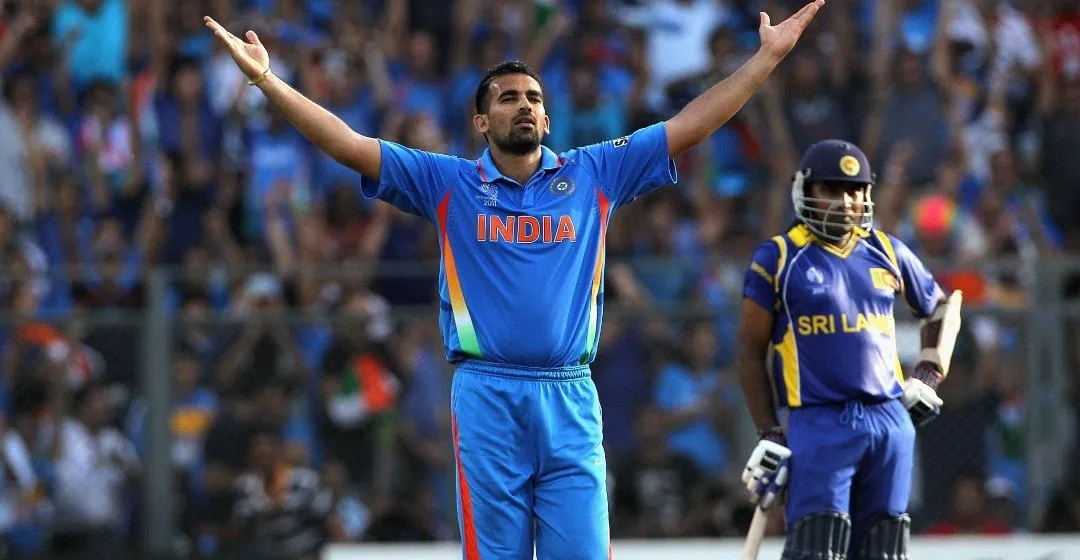
Cricket has always been a game of fine margins. A fraction too full, slightly too short, or just a bit too wide can undo minutes of careful planning. Among all the small mistakes a bowler can make, bowling a wide is one of the most frustrating. It gifts the batting side a free run and an extra delivery, breaking rhythm and momentum in an instant.
In today’s era of aggressive batting, flat pitches, and unforgiving regulations, wides and no-balls have almost become routine. Bowlers constantly flirt with the tramline while chasing swing, seam, or variation. Yet, cricket’s long history tells a different story—one where discipline, repeatable action, and relentless accuracy defined greatness.
Across generations, a select group of bowlers stood apart for their astonishing control. Whether fast or slow, right-arm or left, these players built careers on precision. Official records, especially from earlier decades, may not always be complete, but what survives points toward a rare level of consistency that modern fans can only admire.
This article revisits ten legendary bowlers whose careers are remembered not just for wickets, but for control so sharp that wides were almost unheard of.
Why Bowling Accuracy Matters More Than Ever
Before diving into individual careers, it’s worth understanding why this level of discipline is so remarkable.
A wide delivery does more than add a run. It forces the bowler to reset, the fielding captain to rethink plans, and the batter to stay alert for one more ball. In limited-overs cricket, wides are even more damaging because they often come during high-pressure overs at the death.
Bowlers who consistently avoid wides demonstrate:
- A stable, repeatable action
- Strong understanding of their own limits
- Mental clarity under pressure
- Exceptional awareness of pitch and conditions
The following names weren’t just wicket-takers; they were craftsmen.
Richard Hadlee: Precision Wrapped in All-Round Brilliance
Sir Richard Hadlee carried New Zealand cricket on his shoulders for nearly two decades. In an era where the team lacked depth, Hadlee shouldered responsibility with quiet authority. His bowling was built around discipline—hitting the same area relentlessly and letting conditions do the rest.
Hadlee’s success came from subtle movement rather than raw pace. He understood when to pitch the ball up and when to pull it back. That control translated into extraordinary numbers: over 400 Test wickets and a reputation for conceding nothing cheaply.
Despite bowling thousands of deliveries at the highest level, his record shows no wides credited to him. Whether due to meticulous accuracy or incomplete early records, the fact remains that Hadlee’s control became the benchmark for fast-bowling all-rounders.
Lance Gibbs: The Spinner Who Starved Batters of Runs
Lance Gibbs operated in an era dominated by fearsome West Indies fast bowlers, yet he carved out his own space through precision rather than intimidation. As an off-spinner, Gibbs relied on drift, dip, and relentless consistency.
Batters found it difficult to score freely against him. His economy rate hovered well below two runs per over in Tests, a staggering achievement even by historical standards. Gibbs rarely chased extravagant turn; instead, he trusted accuracy and patience.
Records credit him with never bowling a wide or no-ball in international cricket—a testament to how repeatable and controlled his action truly was.
Clarrie Grimmett: Innovation Without Losing Control
Clarrie Grimmett’s legacy is fascinating because he combined creativity with discipline. Known as one of the early masters of leg-spin, he is often credited with developing the flipper—a delivery that added a new dimension to wrist spin.
Innovation often comes with risk, yet Grimmett’s control never wavered. Even while experimenting with variations, he maintained a tight line and length. Over more than 14,000 deliveries in Test cricket, not a single wide was officially recorded against him.
That balance between invention and control is what elevates Grimmett into cricket’s elite.
Derek Underwood: Deadly Accuracy on Difficult Surfaces
Derek Underwood thrived in conditions that unsettled others. On damp pitches, his left-arm spin became almost unplayable. His nickname, “Deadly,” reflected not pace or bounce, but accuracy.
Underwood bowled at a brisk speed for a spinner, targeting pads and stumps relentlessly. His famous arm ball trapped countless batters leg-before, and wides simply did not feature in his game.
Across a long international and county career, Underwood’s precision made him one of England’s most reliable match-winners.
Garry Sobers: The All-Rounder Who Did Everything Right
Sir Garfield Sobers is often discussed for his batting genius, but his bowling deserves equal respect. What set Sobers apart was versatility. He could bowl left-arm pace, seam, or spin depending on the situation.
That adaptability never compromised control. No matter the style he employed, Sobers understood where his strengths lay and bowled within them. Across more than 20,000 deliveries in international cricket, he did not concede a wide.
That level of discipline, combined with world-class batting, explains why many consider him the most complete cricketer of all time.
Imran Khan: Controlled Aggression Personified
Imran Khan’s bowling was intimidating, but it was never reckless. Even at high pace, he maintained a strong wrist position and a consistent release point. His natural athleticism helped, but his real strength lay in understanding when to attack and when to contain.
As captain, Imran demanded discipline from his teammates, and he led by example. His record shows no wides or no-balls across a long international career, an extraordinary statistic for a fast bowler operating at his speed.
That control later translated into leadership, culminating in Pakistan’s iconic World Cup triumph in 1992.
Ian Botham: Discipline Behind the Fire
Ian Botham is remembered for his flair—explosive batting, aggressive bowling, and match-turning performances. Yet beneath that fire was a surprisingly disciplined cricketer.
Botham’s bowling action was repeatable, and his natural strength allowed him to maintain pace without overexertion. This balance helped him avoid wides throughout his international career, even while bowling long spells.
His achievements weren’t just about talent; they were built on consistency and control that often go unnoticed.
Dennis Lillee: Reinvention Through Precision
Dennis Lillee’s career is a story of adaptation. Early on, he relied on raw pace, but injuries forced him to rethink his approach. What emerged was a smarter, more controlled fast bowler who used seam movement and bounce rather than sheer speed.
This transformation improved not just his longevity but also his accuracy. Lillee’s ability to attack without losing control became a hallmark of his bowling.
Despite operating at the edge of physical limits, he finished his career without conceding wides or no-balls at the international level.
Bob Willis: Relentless Line and Length
Bob Willis was never flashy. His bowling was built around discipline, stamina, and relentless pressure. At Headingley in 1981, his famous spell was a masterclass in controlled aggression.
Willis trusted his strengths—steep bounce and consistent length. He didn’t chase swing that wasn’t there, and as a result, wides were virtually nonexistent in his record.
His work ethic and attention to detail made him one of England’s most dependable fast bowlers.
Fred Trueman: The Original Master of Control
Fred Trueman belongs to an era when fast bowling was raw and unforgiving. Yet even by those standards, his control stood out. Trueman combined pace with a classical action that allowed him to repeat deliveries effortlessly.
Over hundreds of first-class matches and a long Test career, his accuracy never deserted him. Records show that he did not concede wides, a remarkable achievement considering the workload he carried.
Trueman’s legacy lies not just in wickets, but in setting a standard for fast bowlers that still resonates.
What These Bowlers Teach the Modern Game
While cricket has evolved, the lessons from these legends remain relevant. Accuracy still matters. Discipline still wins matches. Even in formats dominated by power-hitting, bowlers who understand their craft and respect the basics tend to thrive longer.
Young bowlers studying these careers can learn:
- Control creates pressure
- Variation works best when built on accuracy
- Discipline is as important as speed or spin
Closing Thoughts
The idea of a bowler completing an entire career without conceding a wide feels almost mythical today. Yet history reminds us that greatness often lies in the simplest things done exceptionally well.
These ten bowlers didn’t just take wickets—they mastered control. In a game obsessed with speed, swing, and spectacle, their careers stand as proof that precision remains one of cricket’s greatest virtues.