Few achievements in cricket match the prestige of participating in a 50-over World Cup. For players around the globe, it represents the pinnacle of their careers—a stage where legends are immortalized and countries unite behind their heroes. While many cricketers have had the privilege of playing in the tournament, some of the finest talents in cricket history never got the opportunity to showcase their skills on that global platform. The reasons vary—some were specialists in longer formats, others simply fell victim to selection dynamics—but their absence from World Cup cricket doesn’t diminish their impact on the sport.
This article explores five prolific cricketers whose contributions to international cricket were extraordinary, yet they never played in a single World Cup match.
Justin Langer – Australia’s Opening Wall
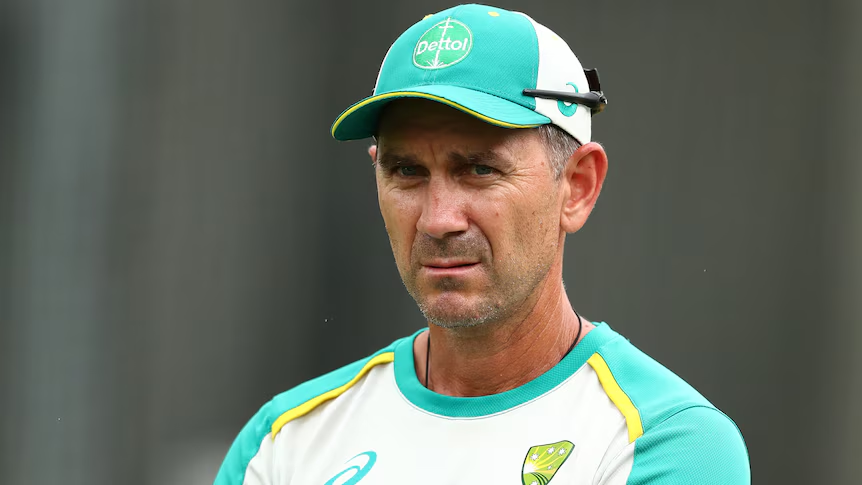
Justin Langer is synonymous with grit, determination, and consistency in the longer formats of the game. A cornerstone of Australia’s formidable batting line-up during the late 1990s and early 2000s, Langer’s career spanned 105 Tests and yielded over 7,000 runs at an impressive average of 45. The left-hander’s partnership with Matthew Hayden is considered one of the most intimidating opening duos in cricket history. Their synergy at the crease often set the tone for Australia’s dominance during that era.
Yet, despite his credentials in Tests, Langer’s One Day International (ODI) career was brief and largely unremarkable. He played just eight ODIs, scoring 160 runs without a single half-century. His final appearance in an ODI came in 1997—long before Australia’s golden era of World Cup triumphs in 1999, 2003, and 2007. For a player of Langer’s caliber, missing out on the World Cup was a quirk of timing and team strategy, reflecting how limited-overs cricket often favored specialists over Test stalwarts.
Matthew Hoggard – England’s Reliable Seamer
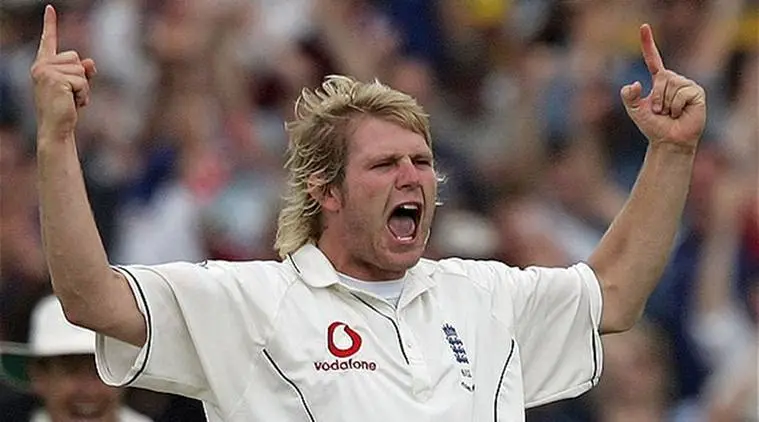
Matthew Hoggard was England’s premier fast bowler during the early 2000s, instrumental in some of the country’s most celebrated Test victories. Renowned for his consistency and ability to swing the ball both ways, Hoggard claimed 248 wickets in just 67 Tests. He played a crucial role in England’s historic Ashes win in 2005, helping the team reclaim the urn after a long drought.
However, Hoggard’s ODI career was less distinguished. In 26 matches, he took 32 wickets with a best performance of 5/49 against Zimbabwe. While he was included in England’s 2003 World Cup squad, he never made it onto the field during the tournament. His case highlights how success in the Test arena doesn’t always translate to opportunities in limited-overs cricket, where tactical considerations and batting depth can influence squad selection.
Chris Martin – New Zealand’s Unsung Pace Legend

Chris Martin is often remembered as one of New Zealand’s most reliable Test bowlers, ranking only behind legends like Richard Hadlee and Daniel Vettori in the nation’s wicket-taking charts. Over a 13-year career, Martin played 71 Tests and collected 233 wickets, including ten five-wicket hauls. His ability to exploit seam-friendly conditions made him a consistent threat to top-order batsmen worldwide.
Despite this success, Martin’s ODI career was limited to just 20 matches, yielding 18 wickets. He was rarely considered for 50-over contests, reflecting New Zealand’s tendency to favor all-rounders or pace-bowling options with more variety in the limited-overs format. Martin’s closest brush with the World Cup came in 2007, when he joined the squad as a replacement for an injured player. Unfortunately, he did not feature in any matches, leaving his World Cup record blank.
Sir Alastair Cook – England’s Dependable Anchor
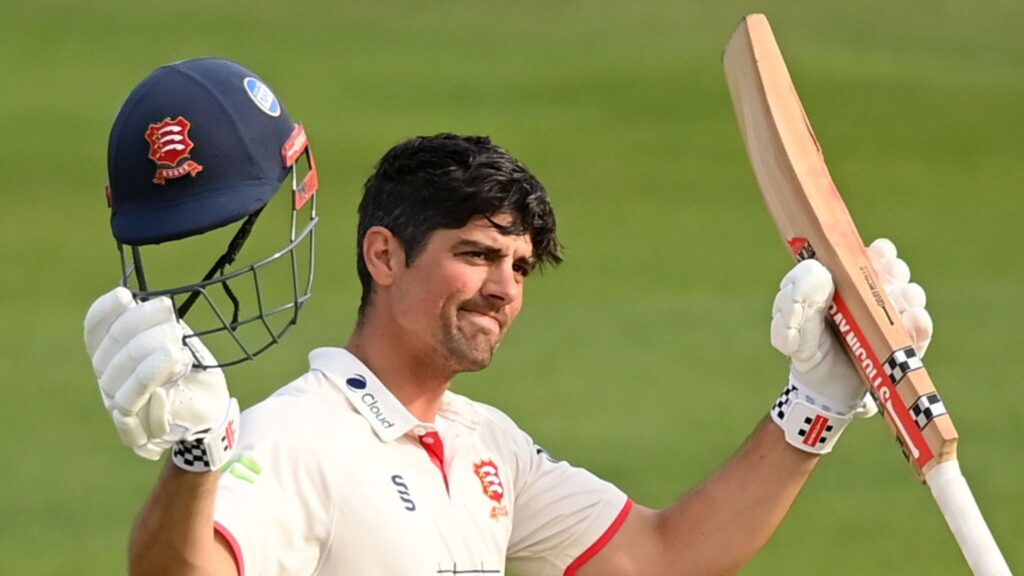
Sir Alastair Cook is one of England’s most iconic cricketers, known for his stoic style and unmatched consistency at the crease. As a left-handed opener, Cook amassed over 12,000 Test runs and became a member of the prestigious 10,000-run club. Beyond his statistics, he also captained England with distinction, leading the side to multiple Ashes victories and earning respect worldwide for his temperament and leadership.
While Cook played 92 ODIs for England, he never participated in a 50-over World Cup. By the time he concluded his ODI career in 2014, England had already undergone several World Cup campaigns, leaving Cook on the sidelines during these tournaments. His story underscores the challenges faced by players whose strengths lie in Tests but whose ODI performances, however competent, do not align with team strategies for major tournaments.
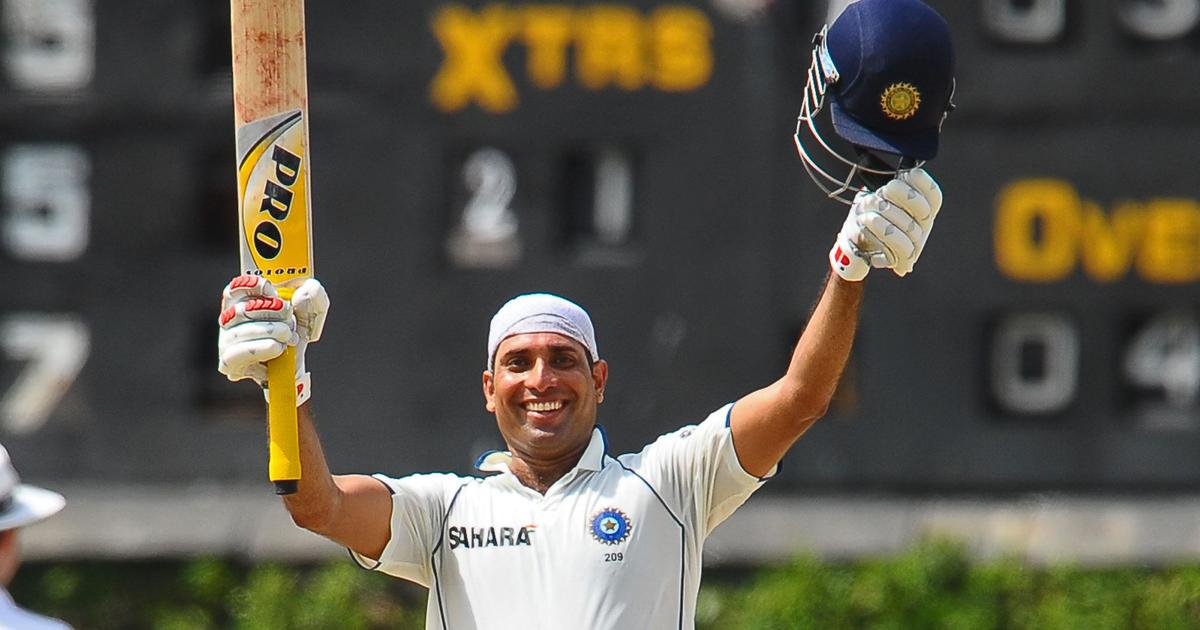
VVS Laxman – India’s Artistic Craftsman
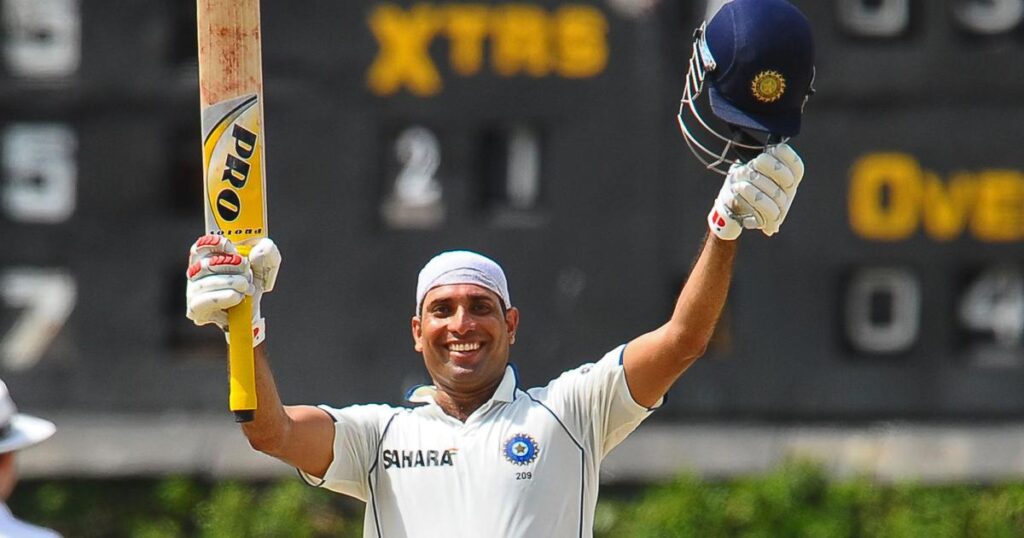
Few batsmen in modern cricket possess the elegance and composure of VVS Laxman. The Hyderabad-born maestro was a central figure in India’s Test line-up, forming part of a celebrated quartet often referred to as the ‘Fab Four’ alongside Rahul Dravid, Sachin Tendulkar, and Sourav Ganguly. Laxman’s 134 Test appearances yielded 8,781 runs at an average of 45.97, including 17 centuries. His 281 against Australia at Eden Gardens remains one of the most celebrated innings in cricket history, epitomizing his flair for match-defining performances under pressure.
In ODIs, Laxman played 86 matches, recording six centuries, four of which came against Australia. Despite his skill, he never appeared in a World Cup. Selection decisions, timing, and team balance played against him, notably in 2003 when Dinesh Mongia was chosen over him at the last minute. Laxman’s story highlights how limited-overs cricket often prioritizes aggressive stroke play and all-round capabilities over the subtler artistry that shines in Tests.
The Wider Context: Why Top Players Miss Out
These five players illustrate a recurring theme in cricket: excelling in one format does not guarantee a place in all formats. Several factors contribute to this phenomenon:
- Format Specialization: Some cricketers are built for Tests, where patience and technique are paramount, rather than the faster pace and aggression demanded in ODIs.
- Team Composition: National selectors often prioritize balance, picking all-rounders or players who can perform multiple roles in limited-overs cricket.
- Timing and Competition: Careers sometimes peak when competition for spots is intense or during transitional periods for teams.
- Injury and Circumstance: Players may miss tournaments due to untimely injuries or strategic decisions beyond their control.
Understanding these nuances reveals why some of the finest talents never grace the World Cup stage despite leaving indelible marks on international cricket.
Conclusion
World Cups are remembered for their heroes, but cricket history is equally defined by players who excelled away from the global spotlight. Justin Langer, Matthew Hoggard, Chris Martin, Sir Alastair Cook, and VVS Laxman exemplify excellence, resilience, and artistry in cricket. Their absence from World Cup records does not diminish their contributions; instead, it reminds fans and historians that cricket’s richness extends beyond trophies. Celebrating such legends ensures that the narrative of cricket honors both the moments of glory and the sustained brilliance that defines a career.
These players may never have held a World Cup trophy, but their impact on the sport—and the joy they brought to fans—cements their place in cricketing lore forever.