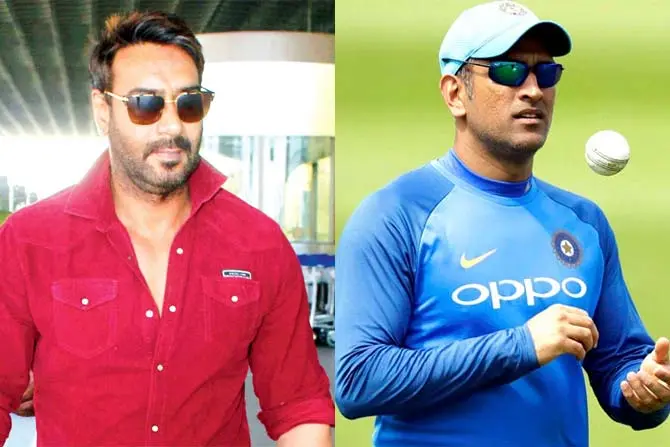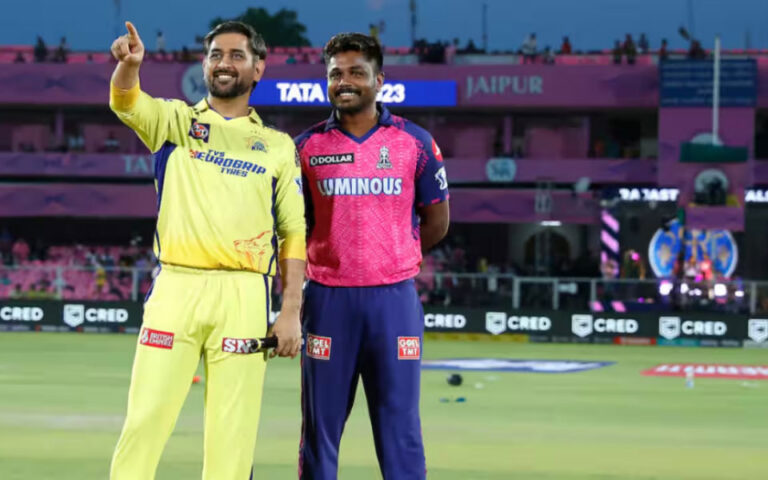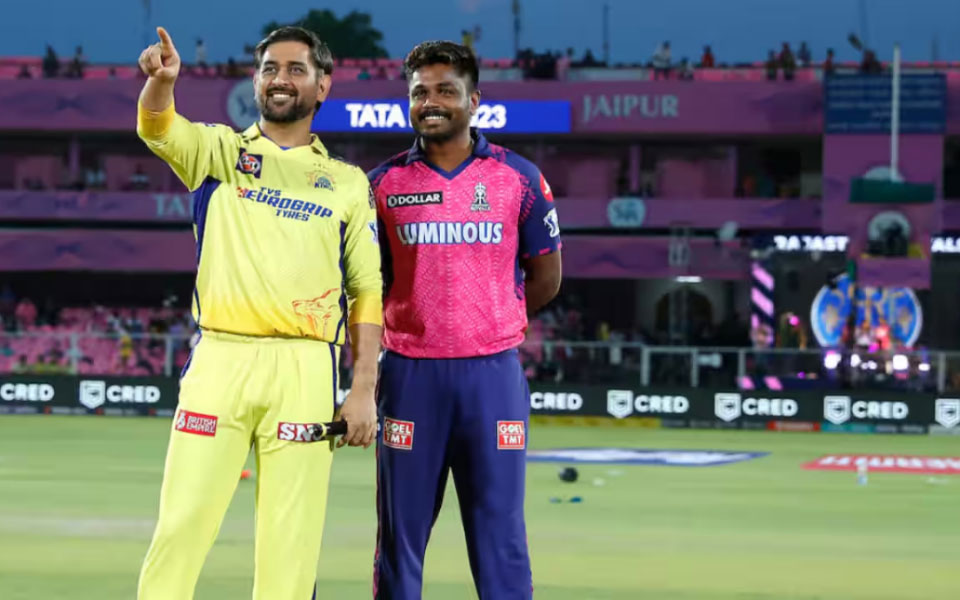
The recent Sanju Samson controversy has sparked intense debate across the Indian cricket community after a strong public statement from his father, Vishwanath Samson. In a televised interview, he alleged that some of Indian cricket’s most influential figuresMS Dhoni, Virat Kohli, Rohit Sharma, and Rahul Dravidwere responsible for what he described as “wasting 10 years” of his son’s career. The remarks have ignited conversations about selection policies, player management, and the unpredictable journey of cricketers in India’s highly competitive system.
At the heart of the issue lies a long-standing narrative: Sanju Samson’s undeniable talent versus his inconsistent presence in the Indian national team. While his recent performances have strengthened his case as a top-tier T20 batter, the path to this moment has been anything but smooth.
A Career That Promised Early, But Stalled Often
Sanju Samson’s rise in Indian cricket was swift. As a teenager, he impressed with his composure, technique, and elegant stroke play. His performances in domestic cricket and the Indian Premier League (IPL) marked him as a future star. Many observers believed he possessed the rare combination of classical batting technique and modern T20 flair.
He made his T20 International debut in 2015. For most players, such an early start would signal a long and stable international run. That, however, wasn’t the case for Samson.
Over the next several years, he found himself drifting in and out of the national setup. He was selected for tours but benched. He was given opportunities but not extended runs. Occasionally, he produced flashes of brilliance. At other times, inconsistency crept into his performances. In a country with a deep talent pool, even minor dips can cost a player his place.
The Sanju Samson controversy emerges from this turbulent periodone defined by intermittent chances and constant scrutiny.
The Explosive Statement That Stirred Debate
In a Malayalam television interview, Vishwanath Samson expressed deep frustration about how his son’s career unfolded. He specifically named former India captains MS Dhoni, Virat Kohli, Rohit Sharma, and former head coach Rahul Dravid, claiming that they failed to provide his son with sustained opportunities.
He argued that Sanju did not receive the backing required to establish himself in the team. According to him, these lost years were crucial for a player in his prime. He also emphasized that despite facing setbacks, his son continued to fight and improve.
Such direct criticism of some of Indian cricket’s most respected figures is rare. Dhoni, Kohli, Rohit, and Dravid are widely credited for shaping Indian cricket’s modern era. Naturally, the comments divided opinion.
Some sympathized with the sentiment that Samson may not have received consistent backing. Others argued that team selection is complex and performance-based, not personal.
Criticism Extends Beyond Team Management
The interview did not stop at questioning leadership decisions. Vishwanath Samson also criticized former Indian cricketer and commentator Kris Srikkanth for his remarks about Sanju’s performances, particularly questioning the quality of opposition against whom he scored a century.
In competitive cricket environments, public commentary often adds pressure. When former players express skepticism, it can influence public perception. For families of cricketers, such criticism can feel deeply personal.
This aspect of the Sanju Samson controversy highlights another dimension of modern cricket: the role of media narratives in shaping a player’s reputation.
The Reality of Selection in Indian Cricket
To understand the situation fairly, one must acknowledge the structure of Indian cricket. India has perhaps the deepest talent pool in world cricket. Every role has multiple contenders. Wicketkeeper-batters, in particular, have been abundant in recent yearsRishabh Pant, KL Rahul (in a dual role), Ishan Kishan, and others have all competed for limited spots.
Selection is influenced by several factors:
- Current form
- Team balance
- Conditions and opposition
- Long-term planning
- Leadership strategy
It’s not unusual for talented players to struggle for consistent opportunities. Many prominent cricketers have faced similar hurdles before cementing their places.
That doesn’t diminish the emotional frustration felt by players and their families. It simply reflects the complexity of managing a national side.
Reinvention at the Top of the Order
In recent months, Samson’s fortunes appear to have shifted. A crucial turning point came when he was promoted to open the batting in T20 internationals. The new role gave him clarity and freedom.
Opening in T20 cricket offers distinct advantages:
- More balls to face
- Powerplay field restrictions
- Defined responsibility
Sanju responded emphatically. He registered back-to-back centuries in T20 internationalsan unprecedented feat for an Indian batter. These knocks were not scratchy innings built on survival. They were authoritative, confident displays of clean striking and calculated aggression.
His centuries against Bangladesh and South Africa were reminders of what selectors and fans had long glimpsed: a player capable of dominating at the highest level.
Gratitude Toward the Current Management
Interestingly, while criticizing past leadership, Vishwanath Samson expressed gratitude toward current T20I captain Suryakumar Yadav and head coach Gautam Gambhir. He suggested that their support played a key role in reviving his son’s international career.
This underscores how critical management backing can be. Cricket, particularly at the international level, is as much psychological as technical. A player who feels trusted often performs with greater freedom.
Confidence can transform decision-making, shot selection, and composure under pressure. It’s possible that Samson’s current run of form reflects not just technical adjustment, but renewed belief.
Talent vs. Consistency: The Longstanding Debate
One reason Samson’s career has been so widely discussed is the contrast between his aesthetic brilliance and occasional inconsistency.
Few doubt his natural ability. His cover drives are effortless. His footwork against spin is elegant. He can clear boundaries without appearing to overhit. Such traits often invite comparisons with technically refined greats.
However, modern T20 cricket also demands consistency. Strike rotation, adaptability to varied pitches, and match awareness are as important as pure stroke play. Critics have sometimes argued that Samson needed to tighten his game during middle phases of innings.
His recent centuries suggest growth in this area. They were structured innings, combining aggression with calculation.
The Emotional Weight on Families
The Sanju Samson controversy also reminds fans that behind every professional athlete stands a family deeply invested in the journey.
Parents witness the early strugglestravel to junior matches, financial sacrifices, emotional setbacks. When opportunities appear limited, frustration can build over time. Public comments often reflect accumulated emotion rather than strategic intent.
While administrators and former captains operate within professional frameworks, families view the situation through a personal lens.
Both perspectives can coexist without one invalidating the other.
The Broader Question: How Should Talent Be Managed?
This debate opens up larger questions about talent development in Indian cricket:
- Should promising players receive longer uninterrupted runs?
- Is rotation harming player confidence?
- Does intense competition improve standards or create instability?
There is no simple answer.
On one hand, India’s bench strength ensures that underperformance cannot linger. On the other hand, some players thrive only when given defined roles over extended periods.
Samson’s promotion to opener may indicate that clarity, more than mere selection, was the missing piece.
Looking Ahead: Opportunity in South Africa
With an upcoming T20I against South Africa, attention will once again shift to performance. Cricket moves quickly. Headlines fade. Scorecards endure.
If Samson continues his strong run, the conversation may gradually shift from missed opportunities to sustained impact. A secure spot in the T20 setup could redefine his career narrative.
At 30, he is in a mature phase of his cricketing lifeexperienced enough to handle pressure, yet still physically at his peak.
Conclusion: Beyond Controversy, A Career at a Crossroads
The recent statements from Vishwanath Samson have amplified discussion around selection politics and player management in Indian cricket. The emotions behind the Sanju Samson controversy are understandable, even if opinions differ on their fairness.
What remains undeniable is Samson’s resilience. Despite years of intermittent selection and criticism, he has delivered performances that command attention. Back-to-back T20I centuries are not accidentsthey are statements.
Cricket careers are rarely linear. Some rise instantly and sustain dominance. Others take winding paths marked by setbacks and revival. Samson’s journey appears to belong to the latter category.
If his current trajectory continues, the narrative may evolve from “lost years” to “late bloom.”
In elite sport, redemption often speaks louder than regret.