In cricket, greatness is rarely questioned at its peak—but timing an exit is a far more complex challenge. Even the finest batsmen struggle to recognise when their reflexes, judgment, or consistency are no longer operating at elite levels. Form doesn’t disappear overnight; it fades unevenly, often offering just enough promise to convince a player that a revival is imminent.
History shows that many legendary batsmen chose to play on, hoping for one final surge that never truly arrived. This article examines five iconic batsmen whose careers experienced a noticeable decline in their final years, not to undermine their legacies, but to highlight how unforgiving elite sport can be—even to its greatest performers.
The Problem With Knowing When to Retire
Batting is a skill built on rhythm, reflex, and confidence. Experience can delay decline, but it cannot stop it. Unlike bowlers, batsmen are not always forced out by injury. Instead, they leave when:
- Scores stop matching reputation
- Younger players demand opportunities
- Adaptation becomes harder than instinct
- Consistency disappears, replaced by rare flashes
What makes retirement decisions harder is that past greatness often buys extra time. Selectors hesitate, fans hope, and players themselves believe class will eventually win. Sometimes it does. Often, it doesn’t.
With that context, let’s look at five great batsmen whose final years didn’t reflect their peak dominance.
1. Adam Gilchrist – The Game-Changer Who Slowed Late

Adam Gilchrist revolutionised wicketkeeping forever. Before him, keepers were expected to defend and survive. Gilchrist attacked, dominated, and shifted momentum in a single session. At his peak, he was so valuable that Australia could have selected him purely as a batsman.
For several years, he combined elite glove work with brutal stroke play, often turning matches decisively in Australia’s favour. His early career numbers were extraordinary, especially for someone batting in the middle order.
However, following the mid-2000s, his returns declined sharply. His footwork against spin became less assured, and the consistency that once defined him began to fade. While he still produced the occasional breathtaking innings, those performances were increasingly rare.
Australia persisted, largely because of what Gilchrist represented—a proven match-winner capable of changing games out of nowhere. Eventually, though, the gap between reputation and output became impossible to ignore.
Gilchrist retired as a legend, but his final phase showed that even transformational players are not immune to time.
2. Ricky Ponting – A Colossus Without a Perfect Ending
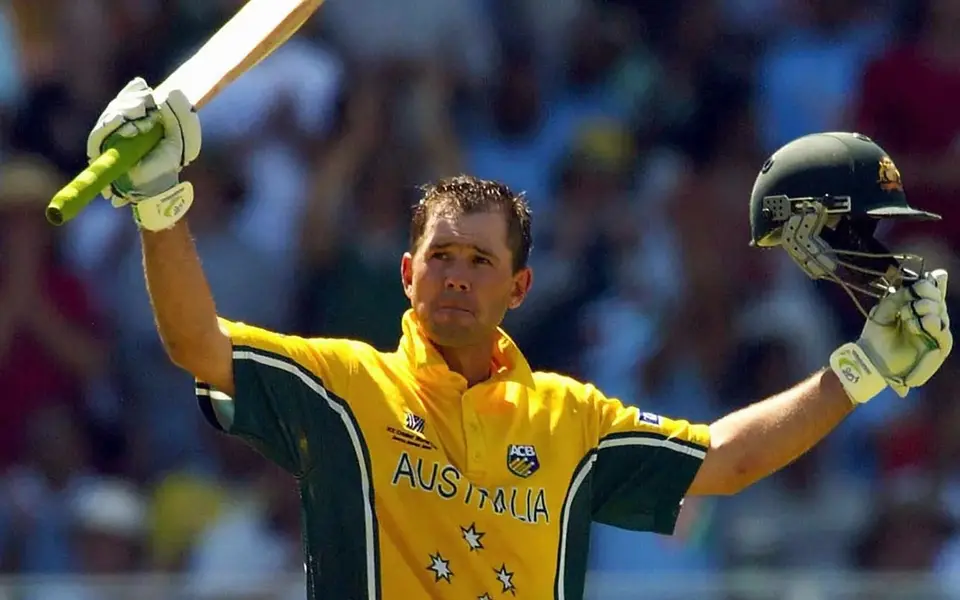
Ricky Ponting’s career is a story of reinvention and dominance. Early volatility gave way to intense discipline, turning him into one of the most prolific run-scorers the game has ever seen. At his peak, he combined technical excellence with relentless hunger.
For nearly a decade, Ponting was the backbone of Australian batting. He scored heavily across conditions, punished fast bowling, and thrived under pressure. His numbers during his prime years place him among the greatest batsmen in cricket history.
The decline, however, was abrupt. Technical issues—particularly against lateral movement—became increasingly evident. Once-feared bowlers began to sense vulnerability. His attempts to adjust his technique brought limited success.
Leadership transitions and internal team pressures added further strain. While Ponting continued to contribute occasionally, the commanding authority of his peak years was gone.
His career didn’t end with a triumphant farewell, but his overall achievements ensure his status as one of the modern era’s true greats.
3. Sachin Tendulkar – Greatness Burdened by Expectation
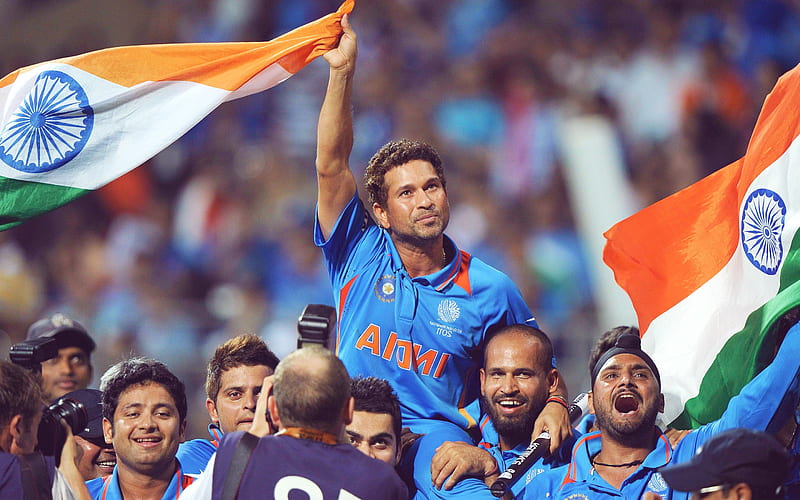
Sachin Tendulkar’s career defies comparison. For over two decades, he carried the hopes of a cricket-mad nation while maintaining an astonishing level of performance. By the time he reached the twilight of his career, he had already redefined what longevity meant in international cricket.
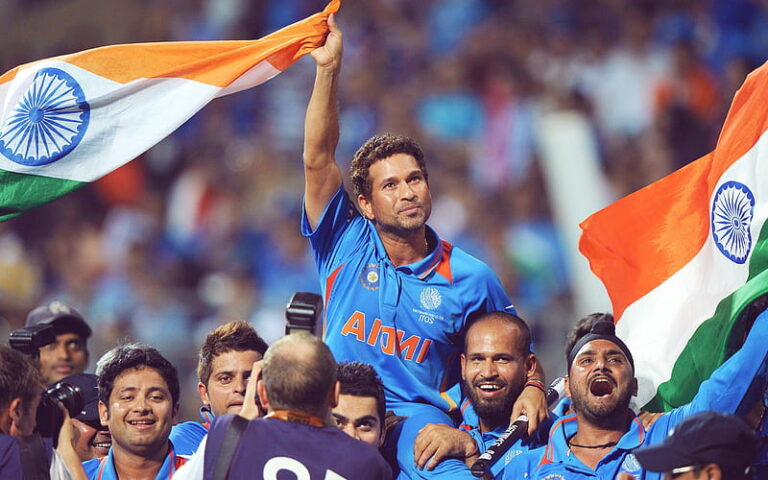
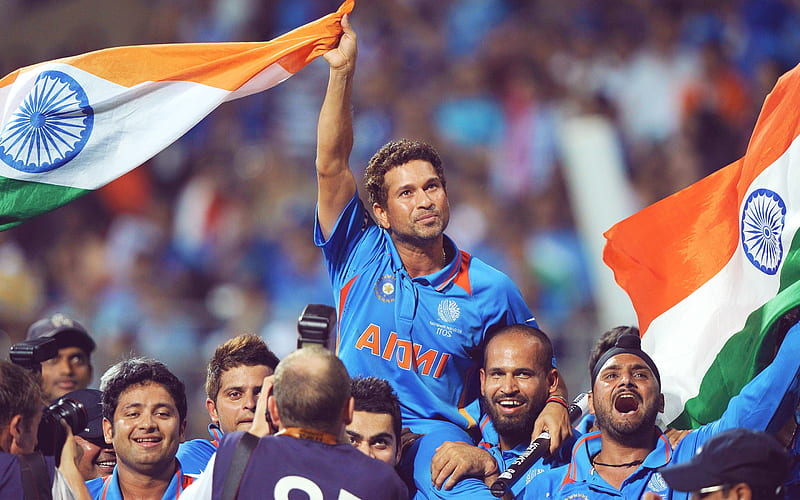
After India’s World Cup triumph in 2011, many felt the stage was perfectly set for his retirement. Yet milestones still beckoned, and expectations remained immense. Tendulkar continued, driven by both personal goals and a deep connection to the game.
What followed was a steady decline. His timing—once flawless—became inconsistent. Bowlers no longer feared him in the same way, and long innings became rare. Despite his experience, he struggled to adapt as younger players emerged around him.
Still, his presence transcended statistics. Stadiums filled, opposition players showed reverence, and teammates leaned on his experience. From a performance standpoint, though, his final years lacked the dominance that had defined his career.
Tendulkar’s ending illustrates how difficult it is to step away when a career becomes larger than the sport itself.
4. Viv Richards – When Intimidation Met Time
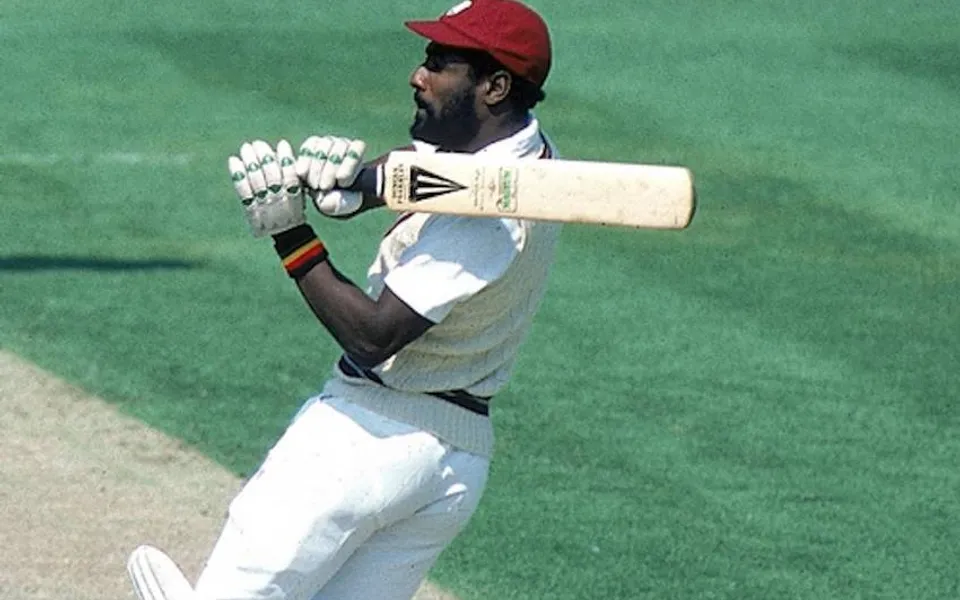
Viv Richards didn’t just score runs—he imposed himself on cricket. His swagger, confidence, and fearless approach to fast bowling made him one of the most intimidating batsmen the game has ever seen. At his peak, he seemed untouchable.
Richards relied heavily on reflexes, eyesight, and instinct. For years, these attributes allowed him to dominate bowlers without compromise. But as age crept in, the sharpness that defined his batting began to fade.
In his later years, Richards remained effective but no longer overwhelming. He still produced valuable innings, yet the aura of invincibility was gone. Bowlers sensed opportunity where once there had been none.
What makes Richards’ decline notable is that even while fading, he was better than most international batsmen. However, judged by his own extraordinary standards, the drop was unmistakable.
His career proves that when greatness is built on instinct and intimidation, even a slight decline can feel dramatic.
5. Virender Sehwag – Instinct Without a Backup Plan
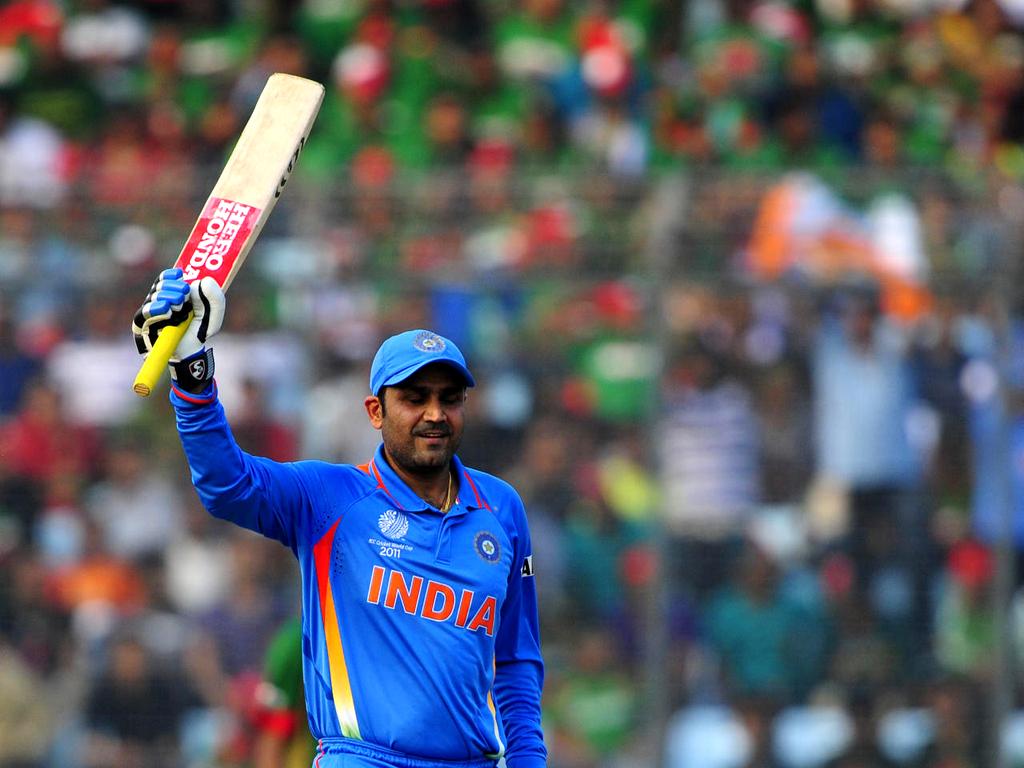
Virender Sehwag was one of cricket’s great disruptors. He dismissed convention, attacked from the outset, and trusted his hand-eye coordination completely. Few batsmen have ever scored runs with such disregard for caution.
At his peak, Sehwag appeared immune to form slumps. If he saw the ball, it disappeared. His method overwhelmed bowlers and redefined opening batting in Test cricket.
But that same method left little room for adjustment. When his reflexes slowed—even marginally—his game collapsed quickly. Without a defensive fallback or patience-based approach, prolonged poor form became inevitable.
Off-field issues and team changes compounded the problem, but the core issue was simple: Sehwag’s brilliance relied almost entirely on instinct. Once that faded, recovery was unlikely.
Despite his abrupt decline, his career remains one of the most entertaining the game has seen.
Final Thoughts: Decline Is Not Failure
The late-career struggles of these five batsmen do not diminish their greatness. If anything, they highlight how rare sustained excellence truly is. Longevity at the top comes with risks, and the decision to keep going often stems from belief—the same belief that created greatness in the first place.
Cricket remembers peaks far more than endings. Adam Gilchrist’s aggression, Ricky Ponting’s dominance, Sachin Tendulkar’s longevity, Viv Richards’ intimidation, and Virender Sehwag’s fearlessness will always define them—not the final numbers.
In the end, decline is not a flaw in their stories. It’s proof that they pushed greatness as far as it would go