Red and white leather cricket balls showcasing different formats on white background
Cricket is a bat-and-ball sport played between two teams of 11 players each on a field with a central pitch. The sport is popular around the world, especially in countries that were once part of the British Empire. The game has a long and rich history, and it is known for its unique terminology and complex rules. There are three major formats played at the international level: Test matches, One Day Internationals (ODIs), and Twenty20 Internationals (T20Is).
This article provides an overview of each format, as well as some of the key differences between them.

Table of Contents
Test Cricket: The Traditional Format
Test is the oldest and most traditional format of the game, and it is widely considered to be the ultimate test of a team’s skill and endurance.
- History: Test matches have been played since 1877.
- Duration: Test matches are played over five days.
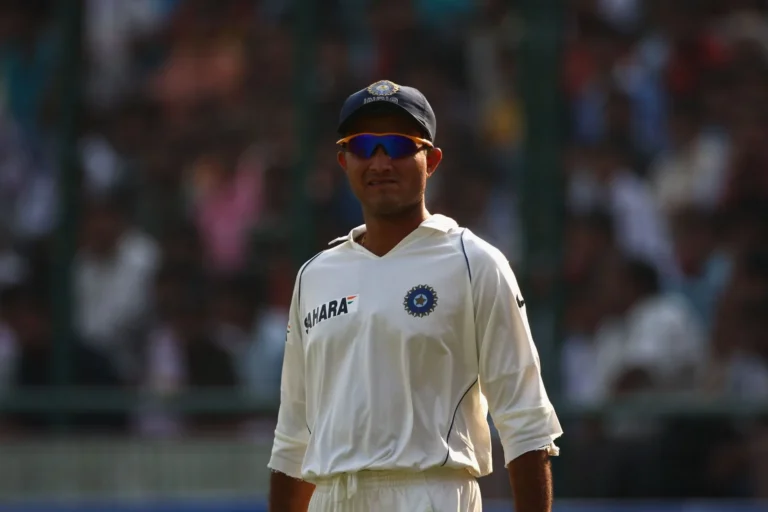
- Dress Code: Players wear white uniforms.
- Ball: A red ball is used.
- Innings: Each team has two innings.
- Overs: There is no limit to the number of overs a team can bowl in an innings.
- Results: A match can end in a win, loss, or draw. A team wins if they score more runs than their opponents and bowl them out twice. A team loses if they are bowled out twice before they score more runs than their opponents. A match is a draw if neither team is able to bowl out the other team twice within the allotted time.
Test is a game of strategy, patience, and skill. It requires players to be able to adapt to changing conditions and to maintain their concentration for long periods of time.
One Day Internationals (ODIs): Cricket’s First Limited-Overs Format
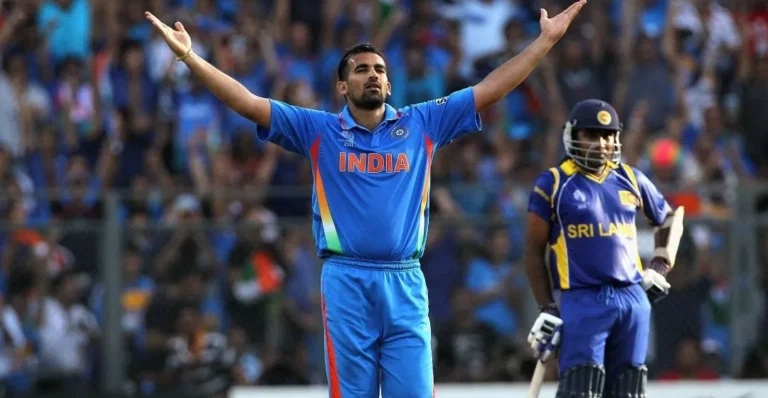
One Day Internationals (ODIs) were introduced in the 1970s as a shorter and faster-paced alternative to Test matches. ODIs are popular because they can be completed in a single day, making them more accessible to fans who may not have the time to watch a five-day Test match.
- History: The first ODI was played in 1971.
- Duration: ODIs are played over one day.
- Dress Code: Players wear colored uniforms.
- Ball: A white ball is used.
- Innings: Each team has one innings.
- Overs: Each team is limited to 50 overs.
- Results: A match can end in a win, loss, or tie. A team wins if they score more runs than their opponents. A team loses if they score fewer runs than their opponents. A tie occurs when both teams score the same number of runs. If the match is interrupted by bad weather or other factors and cannot be completed, it may be declared a “no result”.
ODIs require teams to be able to score runs quickly while also bowling economically. The limited-overs format puts a premium on aggressive batting and innovative bowling strategies.

Twenty20 Internationals (T20Is): Fastest and Most Exciting Format
Twenty20 Internationals (T20Is) are the newest and shortest format of the game, and they have quickly become the most popular format of the game around the world. T20Is are known for their fast-paced action, big hitting, and exciting finishes.
- History: The first T20I was played in 2005.
- Duration: T20Is are typically completed in three hours.
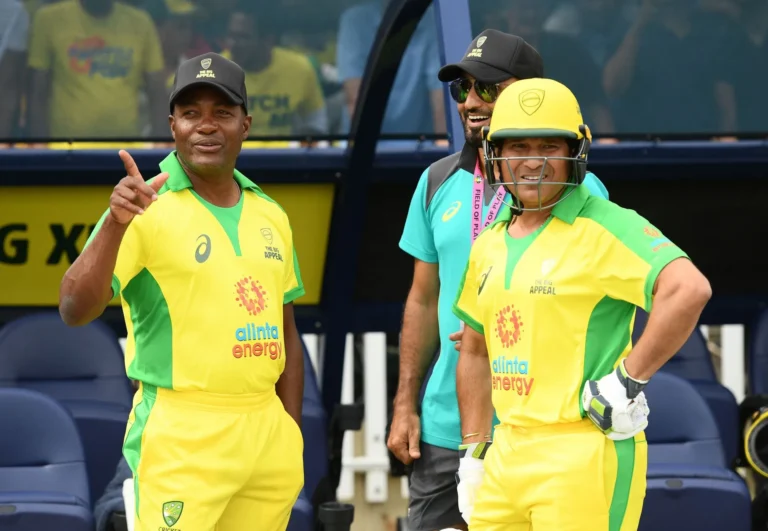
- Dress Code: Players wear colored uniforms.
- Ball: A white ball is used.
- Innings: Each team has one innings.
- Overs: Each team is limited to 20 overs.
- Results: A match can end in a win, loss, or tie. A team wins if they score more runs than their opponents. A team loses if they score fewer runs than their opponents. A tie occurs when both teams score the same number of runs. A tie can be broken with a “Super Over”, which is a one-over eliminator where each team bats and bowls once.
T20Is are a great way to introduce new fans to the game. The short format means that the games are fast-paced and easy to follow, and the emphasis on big hitting and aggressive play makes them very entertaining.
The Growth

It is truly a global sport, with 104 member nations in the ICC.
- Twelve nations have Test match status, which means that they are considered to be among the best teams in the world.
- Sixteen nations have ODI status.
- All 104 member nations have T20I status.
The ICC has introduced a number of initiatives to promote the growth of the game around the world. One of these initiatives is the ICC World Test Championship, which is a two-year cycle of Test matches between the top nine Test-playing nations. The top two teams at the end of the cycle play in a final to determine the world champion.
The ICC has also launched the ICC Women’s World Twenty20, which is a tournament for the top women’s T20I teams in the world. The tournament has helped to raise the profile of women’s cricket and to inspire a new generation of female cricketers.
Other Forms
In addition to the three major formats of cricket, there are a number of other forms of the game that are played at various levels. These include:
- First-class: First-class cricket is the highest level of domestic cricket in most nations. It is played between teams of a recognized high standard, and the matches are typically played over three or four days.
- List A: List A cricket is a limited-overs format that is played over a single day. It is the second-highest level of domestic cricket in most nations.
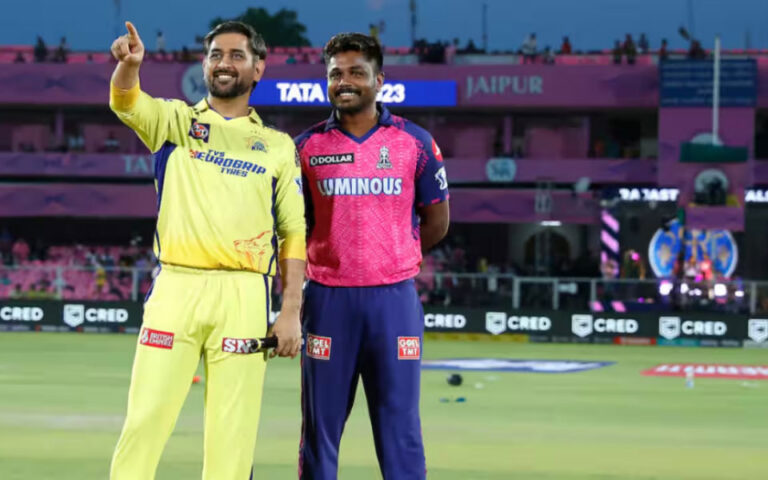
- Twenty20 (domestic): Twenty20 (T20) is a limited-overs format of the game that is played over a single innings of 20 overs per side. T20 format is the most popular form of domestic game in many countries, and it has also spawned a number of professional T20 leagues, such as the Indian Premier League (IPL) and the Big Bash League (BBL).
- Single wicket: Single wicket cricket is a format of the game in which only one batsman bats at a time. It is a very old form, and it is still played in some parts of the world.
- Double wicket: Double wicket cricket is a format of the game in which each team has only two players.
- Indoor: Indoor cricket is a format of the game that is played indoors. The rules of indoor game are similar to those of outdoor game, but the game is played on a smaller pitch and with a softer ball.
- Club: Club cricket is a popular form of amateur cricket that is played in many countries around the world. It is typically played on weekends, and the matches are usually played over a single day.
- Backyard: Backyard cricket is an informal form of the game that is played in backyards and parks all over the world. The rules of backyard cricket are often made up on the spot, and the game is typically played for fun rather than competition.
You can refer to more details on these formats from here
Learning More About Cricket
To learn more about cricket, you can:
- Watch matches: Watching matches is the best way to learn about the game. You can watch matches on television, online, or in person.
- Read about cricket: There are many books and websites that provide information about cricket.
- Play cricket: Playing is a great way to learn about the game and to improve your skills. You can join a local club or play with friends and family.
- Talk to cricket fans: Talking to fans is a great way to learn about the game and to get different perspectives on the sport.
The game is complex and fascinating sport that can be enjoyed by people of all ages and abilities. By understanding the different formats of the game and learning the basic rules, you can start to appreciate the beauty and excitement of this truly global sport.
Further Exploration of Cricket

To improve your understanding of cricket, consider exploring the following:
- Rules and Regulations: The rules are designed to ensure fair play and to create a level playing field. Understanding the rules is essential for following and enjoying the game.
- Laws of Cricket: The Laws are the official rules of the game. They are maintained by the International Cricket Council (ICC)
- Cricket Fielding Positions: There are 11 fielding positions in, each with a specific name and role. Understanding the different fielding positions and how they are used strategically can enhance your enjoyment of the game.
- Cricket Scoring System: The scoring system is based on runs. Runs can be scored by hitting the ball to the boundary, by running between the wickets, or by being awarded extras.
- Understanding Cricket Terminology: The game has its own unique vocabulary, and understanding the terminology is essential for following the game. There are many online glossaries of cricket terms that you can consult.